

White gums can catch your attention quickly, even when everything else feels normal in your mouth. The colour shift is often subtle, yet hard to ignore once you see it. It can appear along the gum edge, between teeth, or in small patches that were not there before. Sometimes it shows up without discomfort, which makes it harder to decide how much weight to give it. Gum colour changes often reflect what is happening beneath the surface rather than on it. This topic looks at what white gums around teeth can signal and why timing, pattern, and persistence matter more than appearance alone.
Why White Gums Around Teeth Catch Your Attention
 Visual Contrast Against Teeth Stands Out
 Visual Contrast Against Teeth Stands Out
The gums sit right beside the brightest surfaces in your mouth, which makes any colour difference easier to notice. When the gums appear lighter than expected, the contrast against the teeth can feel sharp and immediate. Your eyes naturally compare neighbouring surfaces, so even subtle changes feel more noticeable here. This contrast alone can trigger concern before you feel anything physically. In bright light, gums white against enamel can look stronger than you expect.
Sudden Discovery During Routine Brushing
Many people first notice white gums around teeth while brushing, when attention is already focused closely on the mouth. Routine habits rarely involve analysing gum colour, so the moment of discovery can feel unexpected. Seeing something unfamiliar during an everyday task often makes it feel more significant than it may be. That surprise tends to linger after the mirror is gone.
Changes Noticed Without Pain
When there is no pain, swelling, or soreness, the change can feel harder to interpret. You may expect discomfort to explain what you are seeing, yet nothing feels different. This absence of sensation can create uncertainty rather than reassurance. The gums look altered, but your mouth feels normal, which makes the change harder to place.
Why Stillness Feels More Concerning Than Sensation
A visible change that stays the same can feel more unsettling than one that comes with feeling. When nothing hurts, tingles, or reacts, the stillness draws attention back to appearance alone. Your mind may keep returning to the image, trying to understand it without feedback from sensation. That quiet persistence is often what makes white gums around teeth feel difficult to ignore.
How Gum Colour Is Influenced Day To Day
Gum colour is not fixed, and small shifts often reflect normal, temporary changes rather than something wrong. Even with healthy gum tissue, day-to-day shifts can still happen, so a single glance does not define your dental health or good oral health.
Blood Flow Shifts During Eating And Rest
When you eat, speak, or chew, circulation in the gums naturally increases, which can deepen colour briefly. During rest, blood flow settles, and the gums may look lighter. These changes can happen within minutes and reverse just as quickly. You might notice this contrast if you check your gums before and after meals. The shift reflects normal tissue response, not damage.
Saliva Levels Alter Surface Appearance
Saliva coats the gums and changes how light reflects off the surface. When the mouth feels dry, gum tissue can appear paler or more matte. After drinking water or producing more saliva, the colour often looks fuller again. This difference comes from moisture, not tissue change. Even short periods of dryness can alter appearance.
Pressure From Jaw Position Changes Colour Briefly
Clenching, holding the jaw forward, or resting the mouth in an unusual position can apply pressure to the gums. That pressure temporarily reduces visible blood flow, making areas look lighter. Once the jaw relaxes, colour returns. This is especially noticeable along the gum line near the teeth. The effect is short-lived and reversible.
Temperature Exposure Affects Tissue Tone
Cold air, chilled drinks, or warm foods can all influence how gum tissue looks. Cooler temperatures may make gums appear lighter for a short time. Warmer exposure often brings colour back more quickly. These changes reflect how soft tissues respond to temperature, not structural shifts. The surface adapts quietly without you feeling it.
Morning Versus Evening Colour Differences
Gums can look different at various points in the day. In the morning, reduced movement and overnight dryness may make colour appear lighter. By evening, regular eating, talking, and hydration often deepen tone. Comparing photos taken at different times can highlight this contrast. The variation is part of the daily rhythm.
Hydration Levels Reflected In Gum Surfaces
Hydration supports normal gum appearance. When fluid intake drops, gum surfaces may look less vibrant or slightly washed out. After rehydrating, colour usually becomes more even again. This shift can happen without any discomfort. It mirrors overall moisture balance rather than oral health status.
Why Lighting Changes What You See
Bathroom lighting, natural daylight, and phone flash all alter how gum colour appears. Bright overhead light can exaggerate pale areas, while softer lighting blends tones. Shadows from lips or cheeks can also affect perception. What you see often depends on the angle and the light source. The gums themselves may not have changed at all.
Situations Where White Gums Signal Local Stress
Plaque Buildup Altering Gum Margins
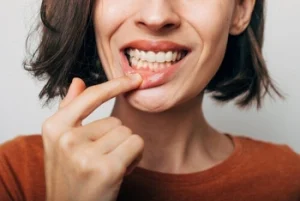 White gums can sometimes appear where plaque has been sitting undisturbed along the gum line. You may notice the colour change most clearly around the edges of the gums around teeth, where dental plaque overgrowth tends to collect first. This buildup can interfere with how gum tissue reflects colour, making areas look lighter than expected.
The change often appears gradually, which is why it can be missed until it becomes more noticeable during brushing. In these situations, the surface looks different before it feels different. With poor oral hygiene and poor dental hygiene habits, plaque buildup can progress into gum inflammation, and early gum disease may show up as bleeding gums or unhealthy gums before you feel pain.
You may also notice the gums around one tooth look different first, then the change spreads to nearby areas.
Mechanical Irritation Near The Tooth Edge
The area where gum meets tooth is exposed to constant movement from chewing, speaking, and daily oral hygiene. Repeated contact in this narrow zone can leave gum tissue looking pale or uneven in colour. You might notice white gums in spots that receive the most pressure from food or jaw movement. These changes are often localised rather than widespread.
The appearance reflects surface stress rather than deeper tissue change. If plaque sits in one spot for long enough, a bacterial infection can develop along the margin and, over time, nearby tooth decay may add extra irritation. Habit changes, such as chewing tobacco, can also dry and irritate the gum line, making colour changes easier to notice.
Overbrushing Effects On Delicate Areas
Brushing habits can influence how gums look, especially when pressure is concentrated in one area. Using firm strokes near the gum line may affect sensitive mouth tissues, leading to lighter patches over time. This is more noticeable where the gum margin is thinner.
You may not feel pain, yet the colour difference still stands out. The visual change often mirrors brushing patterns rather than overall oral health. After teeth whitening, the gum edge may also look lighter for a short period if whitening products touch the margin during use.
Some mouth infections can also sit close to the gum edge, creating white gums that persist even when brushing feels normal. Fungal infections linked to a yeast infection may show as oral thrush, also known as oral candidiasis, with white patches that can be hard to wipe away.
When White Gums Suggest Wider Health Influences
Nutrient Levels Affecting Tissue Resilience
Gum colour can reflect how well tissues are being supported at a cellular level. When nutrient intake falls short, gum tissue may appear paler or less robust than usual. You might notice this even when your daily oral hygiene feels consistent. The change often relates to how tissues repair and renew rather than surface irritation. In these cases, colour shifts develop gradually rather than overnight. Nutritional deficiencies may be part of the picture, and iron supplements are sometimes advised alongside a balanced diet when your GP confirms a need.
Circulation Conditions Reflected In Gum Tone
Healthy gums rely on steady circulation to maintain their usual appearance. When blood flow patterns change, gums may look lighter due to reduced delivery of oxygen and healthy red blood cells. This can affect gums around teeth evenly rather than in isolated spots.
The appearance often mirrors circulation elsewhere in the body. Colour changes here are usually consistent rather than patchy. If blood cells are not carrying oxygen as effectively, the colour shift can look more uniform across the gum tissue. In some medical conditions, pale gums can be a clue worth mentioning during a general health check.
Autoimmune Activity Showing Oral Signs
Some chronic autoimmune condition patterns can involve the mouth as an early site of change. Oral lichen planus is one example where white patches may form without obvious irritation. These areas often have a defined appearance that remains stable over time. You may notice changes even without discomfort. The gums act as a visible surface where immune responses sometimes show first. Chronic illnesses can also affect recovery and sensitivity in subtle ways, even when your day-to-day routine stays consistent.
Medication Side Effects On Mouth Tissues
Certain medications influence how the mouth tissues respond to everyday contact. Reduced moisture or altered tissue turnover can leave gums looking pale or uneven. You might notice changes that do not align with brushing habits or plaque buildup. These shifts often appear alongside other dry or sensitive areas in the mouth. The timing frequently matches changes in medication routines.
Hormonal Shifts Influencing Oral Response
Hormonal changes can alter how gums react to normal pressure and blood flow. During these periods, gum tissue may appear lighter or less uniform in colour. The shift often comes and goes rather than staying fixed. You may notice differences across life stages where hormones fluctuate. These changes reflect internal balance rather than surface conditions.
Immune Changes Increasing Tissue Sensitivity
When the body’s immune response is under strain, sensitive mouth tissues may react more visibly. White areas can develop as the tissue responds differently to everyday stimulation. These changes may coincide with other subtle immune-related symptoms. The gums can act as an early indicator of an altered immune balance. Sensitivity often precedes noticeable discomfort. A change in the body’s immune response can also make the lining react more strongly to friction or dryness.
Healing Delays Linked To Overall Health
The speed at which gum tissue recovers can reflect general health status. When healing slows, colour changes may linger longer than expected. You might notice that minor irritation takes more time to settle. This delay often points to systemic influences rather than local stress. Appearance changes here tend to persist rather than fluctuate. This can happen alongside underlying health problems that affect healing speed, even when the mouth looks calm day to day.
Why Oral Changes Can Appear Before Other Signs
The mouth has a rich blood supply and rapid tissue turnover. Because of this, gums often show subtle changes before other areas of the body do. You may notice white gums even when no other symptoms are obvious. These early visual cues are not a diagnosis, but they can act as a prompt for broader awareness. The gums often reflect internal shifts earlier than the skin or the muscle.
Signs That Indicate Review Should Not Wait
White Areas Remaining Unchanged Over Time
When a white area looks the same week after week, it often feels harder to dismiss. You may notice it holds a steady outline and shade no matter how carefully you brush. Even if nothing feels sore, the lack of change can keep drawing your attention.
Consistency like this becomes the detail worth noting, especially if you can point to the same spot each time you check. Persistent changes may need review to rule out oral cavity cancer, even though oral cancer cases are uncommon. The goal is to check early signs carefully rather than assuming you are developing oral cancer.
Texture Differences Felt With The Tongue
Your tongue can pick up surface changes before your eyes do. You might notice a patch feels slightly thicker, less smooth, or oddly dry compared with the surrounding gum. That difference may stand out during eating or speaking, when the area moves more.
Texture changes can feel subtle, yet persistent. When a surface feels different each day, it gives you something specific to describe during a review. If you also notice mouth sores, canker sores, or mouth ulcers, note whether they arrive with other symptoms like burning or swelling.
Bleeding Appearing Without Obvious Triggers
Bleeding can feel more concerning when it appears without a clear reason. You may notice it when you spit, rinse, or eat something soft, rather than after vigorous brushing. The timing can feel random, which makes it easier to worry. If you cannot link it to a single moment, the pattern itself becomes the point. It is the unexpected nature, not the amount, that often raises questions.
Spreading Colour Changes Across Multiple Teeth
A change affecting one small spot can feel contained, but a wider pattern feels different. You may notice pale areas appearing along several teeth, or a broader strip of colour change across the gum edge.
The spread can be slow, making it easier to miss until you compare over time. When more than one area starts to look similar, it becomes harder to treat it as an isolated observation. If the gum line begins to pull back in the same region, gum recession can make colour changes look sharper than before.
Sensation Changes Such As Tingling Or Tightness
Not every warning sign is pain. You might feel tingling, tightness, or a faint pulling sensation along the gums, even when chewing feels normal. These sensations can come and go, yet still leave you aware of the area throughout the day. If the feeling keeps returning in the same place, it becomes easier to notice and harder to ignore. A sense of movement, including loose teeth, deserves a timely review even if discomfort stays mild.
Steps That Help You Respond With Clarity
Observing Patterns Before Altering Routines
Start by noticing what stays the same and what shifts. Look at your gums at a similar time each day rather than checking repeatedly. Make a mental note of whether the appearance changes after meals, brushing, or rest. Giving yourself a short observation window allows you to respond based on patterns, not single moments. This approach helps you avoid overcorrecting too early. If the change persists, the goal is to gather enough detail to help identify the underlying cause during a visit.
Choosing Cleaning Habits That Reduce Irritation
 Choosing Cleaning Habits That Reduce Irritation
Focus on gentle, consistent care rather than intensity. Use light pressure when brushing and allow the brush to do the work. Move slowly along the gum line instead of scrubbing back and forth. Floss carefully without forcing it into tight spaces. Calm, predictable cleaning often feels easier for sensitive areas to tolerate. Use a soft or medium toothbrush with fluoride toothpaste, and aim for good oral hygiene that supports maintaining good oral hygiene without scrubbing. Small improvements in dental hygiene habits can also support daily dental hygiene without making routines feel complicated.
Adjusting Products During Sensitive Periods
If your mouth feels unsettled, simplify rather than add more products. Stick with familiar items instead of switching multiple things at once. Choose milder options if strong flavours feel uncomfortable. Give any change enough time to settle before deciding whether it helps. One adjustment at a time makes it easier to notice what feels supportive. If rinses sting, swapping to an alcohol-free mouth rinse can feel gentler for a short period, and inflammation-numbing gels should only be used if your dentist advises.
Eating Choices Supporting Tissue Recovery
Opt for foods that feel easy to chew and do not cling to the gums. Take smaller bites and chew slowly to reduce friction. Drink water with meals to keep the mouth feeling comfortable. Avoid grazing throughout the day, as constant contact can increase awareness. Let meals have a clear start and finish so tissues get breaks in between. Food choices can also support maintaining oral health while the mouth settles, especially when irritation has made the area feel reactive.
Knowing When Professional Input Adds Value
If uncertainty lingers, reaching out can bring clarity. Preparing a few simple notes about what you have noticed makes conversations more productive. Sharing timelines, sensations, and any changes you have tried helps guide the discussion. Professional input often feels reassuring when observations are organised rather than rushed. Ask whether dental treatments are appropriate, and whether medical treatments should be considered alongside oral care. If needed, you will leave with a treatment plan or a prescribed treatment plan, plus timing for regular dental checkups.
Work With Us To Address White Gums Properly
Noticing white gums around teeth can leave you unsure whether to wait, watch, or act, especially when changes linger without clear discomfort. A focused assessment helps identify what is influencing the gums and whether treatment is needed or simple monitoring is enough. At our clinic, we take time to look beyond appearance and explain what your gums are telling us in plain terms. If you would like personalised guidance or support with treatment, we invite you to visit us and talk things through. Please call us to book an appointment.
Illawong: (02) 9158 6756
Sylvania Waters: (02) 9159 6083
Pyrmont: (02) 9158 6213
References
https://www.mayoclinic.org/diseases-conditions/gingivitis/symptoms-causes/syc-20354453
https://www.healthline.com/health/white-gums


Are you wondering how much wisdom teeth removal might cost? Many people need this procedure but aren’t sure what to Read more

Have you ever wondered about the types of dental crowns and the cost involved? Choosing the right crown can make Read more