
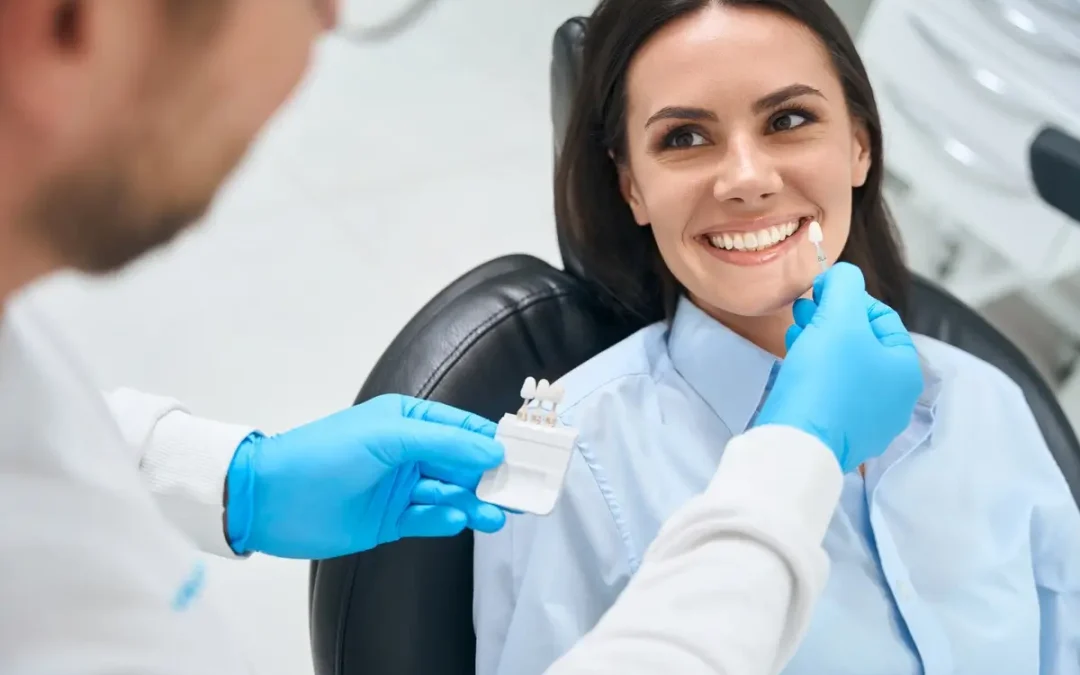
Lower teeth veneers can become a consideration when changes along the bottom teeth start to stand out more than before. These teeth are easy to overlook, yet they play a key role in bite balance, comfort, and how your smile appears during everyday conversation. Wear, uneven edges, or shape changes often prompt questions about cosmetic options. Understanding how this approach works helps you decide whether it fits naturally into your broader dental plan.
Why Lower Teeth Veneers Are Planned Differently
Lower veneers are approached with more caution because they sit in a part of the mouth that works harder, moves more, and shows wear differently over time.
Lower Teeth Experience Constant Functional Contact
Your lower teeth are involved in almost every bite you take. They meet opposing teeth directly during chewing, speaking, and swallowing, which means they absorb repeated force throughout the day. Unlike surfaces that are mainly visible, the lower edge carries the function first. Over time, this constant contact affects tooth enamel and places extra demand on the underlying tooth structure, which is why planning for durability matters from the outset.
 Bite Forces Concentrate Along The Bottom Row
 Bite Forces Concentrate Along The Bottom Row
When you close your mouth, pressure tends to funnel toward the bottom teeth. This is especially noticeable when upper and lower arches meet unevenly. With bottom teeth veneers, that pressure does not distribute evenly unless the bite is carefully assessed. The relationship between the upper and lower arches, and how the teeth contact each other, influences whether veneers remain stable or feel strained during everyday use.
Visibility Changes During Speech And Expression
Lower veneers are not always obvious when you smile, but they become noticeable when you speak, laugh, or move your lips naturally. That moment of visibility is where balance matters most. A veneer that looks right at rest may still feel out of place if it disrupts a natural appearance during movement. When shape and proportion are carefully considered, the result supports a relaxed, natural smile without drawing attention to itself, which is key to long-term aesthetic appeal.
Alignment Shifts Occur More Frequently Below
The lower arch is more prone to gradual movement over time. Even well-aligned existing teeth can shift subtly as bite patterns change or as dental work is added elsewhere. This movement increases the risk of uneven contact or unexpected wear if planning does not account for it. When lower veneers are designed with these realities in mind, potential dental issues can be anticipated and managed early, rather than corrected later.
When Lower Teeth Veneers Make Practical Sense
Lower teeth veneers are not about dramatic changes; they are considered when specific, practical issues begin to affect comfort, function, or visual balance.
Chipped Or Worn Edges Affect Daily Comfort
Small chips or flattened edges along the lower teeth often go unnoticed at first, yet they can change how your bite feels during everyday use. When broken teeth sit along the lower edge, the issue is not always cosmetic, as exposed areas can feel sharp against the tongue or uneven during chewing. Over time, wear can compromise the underlying tooth structure, making the area more sensitive to pressure and temperature. Veneers may be discussed when protection is needed, not just coverage. Addressing these edges early helps stabilise how the teeth meet and reduces irritation during routine movement.
Persistent Discolouration Despite Whitening Efforts
Lower teeth can respond differently to whitening, especially when staining has settled deep over time. Discoloured teeth along the lower arch may remain darker even after repeated teeth whitening attempts, which can feel frustrating when upper teeth brighten more evenly. Because lower teeth are exposed to saliva flow and surface contact throughout the day, colour changes can be more stubborn. Dental veneers may be considered when shade variation remains visible and distracting despite consistent care. The goal is balance, not brightness alone.
Irregular Tooth Length Along The Lower Edge
Length differences along the lower teeth can draw attention when speaking or smiling, even if alignment seems acceptable. Veneers are sometimes planned to cover the front surface of selected teeth to create a smoother visual line. This approach focuses on refining the front surface without altering the position of the teeth themselves. Minor adjustments can make the lower edge feel more even without changing how the bite functions. For many, it is about restoring proportion rather than pursuing uniformity.
Mild Crowding Where Shape Adjustment Is Enough
Not all crowding requires orthodontic correction. In cases where overlap is slight, reshaping through composite bonding may offer a practical solution. This approach is considered minimally invasive, as it works within existing contours and avoids extensive preparation. By adjusting width and edge flow, veneers can reduce the appearance of crowding without moving teeth. This option is usually discussed when spacing concerns are visual rather than functional.
Existing Restorations That No Longer Blend
Over time, older veneers or restorations on lower teeth can stand out as the surrounding enamel changes. Differences in texture or shade can become more noticeable, especially under natural light. Updating these areas through cosmetic dental planning helps bring consistency back to the lower arch. The focus is on integration, not replacement for its own sake. Reviewing how restorations age alongside natural teeth often guides the decision.
Material Options Used For Lower Teeth Veneers
Material choice plays a larger role for lower veneers because these teeth experience constant contact during speech, chewing, and rest.
Porcelain Veneers Designed For Bite Stability
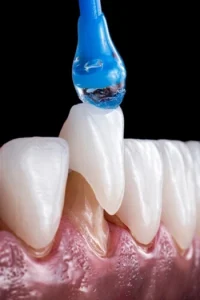 When durability is a priority, porcelain veneers are often discussed for their ability to maintain form under repeated contact. With lower porcelain veneers, the material is selected carefully to tolerate bite pressure without adding bulk. Once placement is complete, final porcelain veneers are shaped and refined to sit comfortably within your natural bite path. You may notice that porcelain feels smooth and stable when your teeth come together, which matters more on the lower arch than many expect. This option is usually considered when long-term wear resistance is a key concern.
Composite Resin Veneers For Conservative Changes
For smaller adjustments, composite veneers offer flexibility with minimal alteration. Composite resin veneers are shaped directly and adjusted in stages, which can be helpful when you want gradual refinement. The composite resin itself allows subtle contouring that adapts to your existing tooth edges. You may find this approach appealing if you prefer a reversible or lower-commitment option. It suits situations where shape correction matters more than long-term surface hardness.
Thickness Control Along The Front Surface
Lower veneers must stay slim to avoid bite interference. Using thin shells allows the veneer to sit naturally without pushing the tooth outward. Whether the plan involves porcelain or composite, thickness is controlled carefully to maintain comfort. In some cases, porcelain or composite resin is selected based on how much space is available along the lower edge. You benefit from a design that feels unobtrusive while still offering visible refinement. Precision here supports comfort during everyday movement.
Matching Lower Veneers With Upper Teeth
Visual balance matters when lower veneers are added. Shade and contour are planned to align with the upper teeth, even though they are seen differently during speech. Your top teeth often guide colour decisions, so the lower arch does not appear disconnected. You may notice that a close match creates a calmer, more natural look without drawing attention to the lower edge. This coordination helps the overall smile feel cohesive rather than segmented.
Planning, Placement, And Long-Term Care Considerations
Careful planning and follow-through shape how lower veneers settle into daily use and how they hold up over time.
Initial Consultation And Personalised Smile Design
Your initial consultation sets the direction for everything that follows. This is where smile design comes into focus, guided by how you speak, bite, and move your lower jaw. If a broader smile makeover is part of the conversation, the dentist explores how lower veneers support balance rather than dominate attention. You have space to talk through expectations, concerns, and pacing before any decisions are locked in.
Conservative Tooth Preparation And Enamel Preservation
Lower veneers rely on restraint during tooth preparation. The goal is to respect existing tooth structure so the veneers sit naturally without creating pressure points. You benefit from an approach that preserves as much enamel as possible, which helps maintain comfort during chewing and rest. This conservative mindset supports stability once veneers are in place.
Precise Impressions For Accurate Fit
Accuracy matters at the millimetre level. Precise impressions capture subtle variations so each veneer fits per tooth rather than following a generic curve. You may not see this step, but you feel the difference when edges align smoothly, and speech remains unaffected. A well-fitting veneer reduces adjustment later on.
 Veneer Placement With Bite Evaluation
 Veneer Placement With Bite Evaluation
During veneer placement, your bite is checked repeatedly as the application of veneers progresses. You are asked to close, speak, and relax the jaw so contact points can be refined. This step helps prevent interference once you return to everyday habits. Small refinements here make long-term comfort more predictable.
Daily Care That Protects Veneer Surfaces
Longevity depends on proper care at home. Using a non-abrasive toothpaste helps protect the surface finish, especially on lower teeth that face constant contact. While veneers are stain-resistant, gentle routines reduce surface wear. You protect both comfort and appearance through consistent habits.
Ongoing Reviews To Monitor Wear And Alignment
Regular reviews support oral health by tracking bite changes and surface wear over time. Your treatment plan may include periodic checks to adjust minor contacts before they become noticeable. You gain reassurance knowing changes are addressed early, not reactively.
Let’s Plan Your Lower Veneers With Care
Lower veneers can play a quiet but meaningful role in shaping a new smile when they are planned with precision and restraint. Working with experienced cosmetic dentists helps keep results balanced, comfortable, and aligned with how you use your teeth every day. If you would like to talk through options or next steps, call our practice at:
Illawong: (02) 9158 6756
Sylvania Waters: (02) 9159 6083
Pyrmont: (02) 9158 6213
References
https://www.dentalhealth.org/veneers
https://www.colgate.com/en-us/oral-health/veneers/dental-veneers-pros-and-cons


