

A confident smile can do more than boost your self-esteem; it may also affect the way your jawline looks. Many patients considering orthodontic treatment ask, do braces change your jawline and face? The short answer is yes, they can. Depending on your age, condition, and treatment plan, braces may alter the alignment of your jaw and the harmony of your facial features. Whether you are a teen or an adult, understanding the way braces work can help you make a more informed decision. In this guide, we break down how braces affect facial structure and what results you might expect.
How Braces Can Influence Your Facial Structure
When people ask if braces change your jawline, they are usually wondering whether orthodontic treatment impacts more than just the teeth. These changes often go beyond straight smiles.
 Jaw Development and Long-Term Changes
 Jaw Development and Long-Term Changes
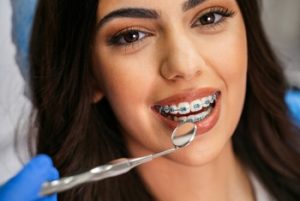
In growing patients, especially teenagers, braces can influence jaw development. When teeth and jaws are guided into the proper position early, the results often include better overall symmetry. Braces improve jawline visibility by promoting correct upper and lower jaw alignment. The treatment may also create a more youthful appearance by improving facial proportions. Each change depends on the individual’s growth stage and the severity of misalignment.
The Relationship Between Braces and Facial Features
Braces affect more than your bite; they can shift how your soft tissues adapt to the underlying bones. For instance, changes in upper jaw alignment can subtly alter upper lip position. When upper teeth are pushed forward or brought inward, it may influence the way your profile looks. This is especially noticeable with traditional braces as they gradually move bone and teeth together. Even minor changes in the angle of your teeth can influence your facial appearance.
Braces and the Lower Jawline
If your lower jaw is recessed or overactive, jaw braces can help reposition it over time. Correcting jaw misalignment in combination with braces often contributes to a sharper jawline and more balanced profile. Because the jaw supports much of the lower facial shape, realignment can improve facial symmetry. This may also help address bite-related issues such as difficulty chewing or speech challenges. Orthodontic treatments are often planned to align both teeth and jaw for comprehensive results.
How Tooth and Jaw Alignment Affects Facial Shape
Braces do not simply straighten teeth; they influence the way the whole lower face functions and looks. Here’s how facial shape can evolve through braces treatment.
Can Braces Change Your Face Shape?
Yes, braces change your face shape gradually as your bite becomes more balanced. For patients with narrow arches or severe crowding, widening the dental arch can broaden the smile. This helps create more harmony in your facial aesthetics. Those with deep bites may notice a slightly longer lower face once the bite is corrected. Braces correct the foundational structure, which influences how soft tissues are supported.
The Link Between Crooked Teeth and Facial Appearance
Crooked teeth do more than affect oral health; they may cause imbalances that reflect in your overall facial appearance. Crowded teeth can pull lips and cheeks inward or outward, changing symmetry. By correcting misaligned teeth, braces support facial structure and improve balance across facial features. In turn, this leads to smoother transitions between lips, cheeks, and jaw. The improvements often become more noticeable as treatment progresses.
How Proper Teeth Alignment Affects Your Profile
Tooth alignment plays a central role in defining your face shape and profile. Properly aligned teeth distribute pressure evenly and reduce strain on jaw muscles. Over time, this balance supports soft tissues, which helps enhance a more youthful appearance. Metal braces or clear aligners both support changes that lead to a healthier, more attractive profile. This is particularly important for patients experiencing discomfort due to improper jaw alignment.
Additional Benefits Beyond Aesthetics
 Additional Benefits Beyond Aesthetics
Beyond facial structure, braces also support improved oral health. Poor alignment can lead to gum disease, tooth decay, and inefficient chewing. Aligning the teeth can reduce pressure on joints and muscles, improving function as well as aesthetics. Brace treatment often results in better long-term stability by supporting natural jaw positioning. The improved bite also contributes to more efficient brushing and flossing, protecting your teeth against wear and decay.
Take the Next Step Towards a Healthier Smile and Jawline
Braces do more than straighten teeth; they influence your jawline, facial balance, and long-term dental stability. If you are wondering whether braces change your jawline, the answer depends on your unique condition and the type of orthodontic treatment you choose. So, do braces change your jawline? Yes, particularly when orthodontic issues like misalignment or crowding affect the structure of your lower face. By improving jaw alignment and correcting bite issues, braces often contribute to a more defined lower face and improved facial symmetry.
Wearing braces can also impact the surrounding soft tissues, subtly influencing features such as your lips or even nose shape over time. Each treatment is customised, whether you are seeking a subtle enhancement or a more noticeable transformation. To discuss your goals and explore tailored orthodontic options with our dental clinic serving the Pyrmont community, call our clinic today at:
Illawong: (02) 9158 6756
Sylvania Waters: (02) 9159 6083
Pyrmont: (02) 9158 6213
Let us help you take the first step toward a more confident, balanced smile.
References
https://www.webmd.com/oral-health/braces-and-retainers
https://www.news-medical.net/health/Procedure-for-Dental-Braces.aspx

