

Dental veneers are thin shells bonded to the front of your teeth to address cosmetic concerns such as chips, discolouration, or uneven shape. They are one of several cosmetic dental treatments a dentist may discuss if you want to improve the appearance of your front teeth.
As with any procedure involving permanent changes to tooth structure, it is worth taking time to understand how veneers work, whether they suit your situation, and what care is involved before making a decision.
Quick Overview
- Dental veneers are thin, custom-made shells of porcelain or composite resin bonded to the front surface of teeth to address cosmetic concerns.
- They are often considered by people with chipped, discoloured, or misshapen front teeth who have healthy gums and sufficient tooth enamel.
- A small amount of enamel is removed before the veneer is bonded; this process is not reversible.
- Material choice, oral hygiene habits, bruxism, and the regularity of dental check-ups all affect how long veneers remain functional.
Below, we explain each of these points in more detail.
What Are Dental Veneers?
Dental veneers are thin coverings of porcelain or composite resin bonded to the front surface of a tooth using dental cement. They are custom-made to match the colour and shape of surrounding teeth. Veneers cannot be taken off once placed, making them a permanent modification to your tooth structure that requires careful consideration.
There are two main types. Porcelain veneers are fabricated in a dental laboratory or milled from ceramic using digital scanning technology and typically require at least two appointments: one for tooth preparation and one for bonding. Composite veneers are applied directly to the tooth from composite resin, often in a single visit. Porcelain is associated with greater stain resistance and a more natural-looking finish; composite veneers generally require less enamel removal and tend to be more affordable.
At Sydney Laser Dental Care, CEREC technology enables same-visit porcelain veneers to be milled in-house from a digital scan, reducing the number of appointments required.
What Are the Benefits of Dental Veneers?
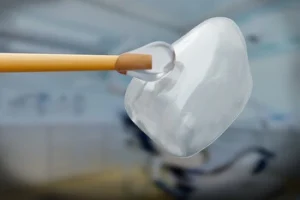 For people with cosmetic concerns affecting the visible surface of their teeth, veneers offer a way to address several issues within a single course of treatment. Rather than managing chips, discolouration, and uneven shape through separate procedures, veneers can bring a more consistent appearance across multiple affected teeth at once.
Porcelain veneers are associated with durability and stain resistance, which may make them a longer-lasting option compared to some other cosmetic treatments, such as teeth whitening alone. Composite veneers require less enamel removal and tend to be more affordable, offering a more accessible entry point for some patients.
Veneers also require less tooth preparation than a full crown, making them a more conservative option where the underlying tooth is otherwise healthy. Each veneer is custom-made to match the colour and contour of surrounding teeth, supporting a result that sits naturally alongside untreated teeth.
Individual outcomes vary, and the suitability of veneers depends on the cause of each cosmetic concern and the overall condition of a patient’s oral health.
What Cosmetic Concerns Can Veneers Address?
Veneers cover the front surface of teeth and may be suitable for addressing several cosmetic concerns, including:
- Chipped or cracked teeth, where the damage is limited to the visible surface
- Discolouration that has not responded to professional teeth whitening, including staining from certain medications or foods
- Misshapen or smaller-than-average teeth
- Minor gaps between front teeth
- Worn or uneven tooth edges
Veneers address appearance only. They do not treat tooth decay or gum disease, and they do not reposition teeth the way orthodontic treatment does. It is important to have a full assessment before cosmetic treatment begins, as any underlying dental disease should be addressed first. Individual outcomes vary depending on the material selected, the number of teeth treated, and each patient’s oral health at the time of placement.
How Long Can Dental Veneers Last?
Porcelain veneers are designed to last for many years with appropriate care. How long they remain functional depends on several individual factors, including the material chosen, oral hygiene habits, and whether additional stresses such as teeth grinding are present.
Composite veneers generally require replacement sooner than porcelain. Veneers may need to be replaced over time if they chip, fracture, or no longer match the colour of surrounding teeth; this is worth factoring into any long-term decision about treatment.
Your dentist can provide a more personalised estimate of longevity based on your clinical situation.
What Affects How Long Veneers Last?
Several factors influence veneer longevity:
- Oral hygiene: The margin where a veneer bonds to the natural tooth is vulnerable to decay if oral hygiene is neglected. This is one of the key factors affecting how long veneers remain functional.
- Teeth grinding (bruxism): Grinding or clenching places considerable force on veneers and is one of the more common causes of fracture.
- Diet and habits: Biting into very hard foods, chewing ice, or using teeth to open packaging increases the risk of chipping. Coffee, tea, and red wine may stain composite veneers more readily than porcelain.
How to Care for Your Veneers
After veneer placement, the underlying tooth and surrounding gum tissue remain susceptible to decay and gum disease. Consistent oral hygiene is important.
Practical care steps include:
- Brushing twice daily with a soft-bristled toothbrush and non-abrasive toothpaste
- Flossing daily along the gumline around each veneer
- Avoiding biting into very hard foods directly with veneered teeth
- Wearing an occlusal splint at night if your dentist has recommended one
- Attending dental check-ups at the intervals your dentist advises
A Considered Approach to Dental Veneers
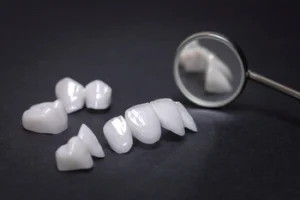 Veneers can be a suitable option for addressing cosmetic concerns with front teeth, provided oral health is well-established and the decision follows a thorough consultation. As with any procedure involving permanent changes to tooth structure, taking time to understand the risks and maintenance requirements is a reasonable step.
At Sydney Laser Dental Care, our team is available across three clinics in Pyrmont, Illawong, and Sylvania Waters. We take a comprehensive approach to treatment planning, beginning with a detailed assessment of each patient’s oral health before discussing cosmetic options.
If you would like to discuss whether dental veneers may be appropriate for your situation, we welcome you to get in touch with the clinic nearest to you. Visit us at your nearest location or book an appointment online.
- Illawong: (02) 9158 6756
- Sylvania Waters: (02) 9159 6083
- Pyrmont: (02) 9158 6213
Frequently Asked Questions
How long do porcelain veneers last?
Porcelain veneers can last for many years with appropriate care, though individual results vary. Composite veneers typically require replacement sooner. How long your veneers last depends on your oral hygiene habits, whether you grind your teeth, and how regularly you attend dental check-ups.
Are dental veneers painful to get?
Veneer preparation involves removing a small amount of tooth enamel, usually carried out under local anaesthetic. Some patients experience temporary sensitivity to hot or cold temperatures after the preparation appointment. Your dentist will discuss what to expect based on your individual situation before treatment begins.
Can I get veneers if I have gum disease or tooth decay?
Active gum disease or tooth decay needs to be treated before veneers can be placed. Placing veneers over untreated dental problems can lead to complications. Your dentist will carry out a full assessment at your initial appointment and recommend any necessary treatment before cosmetic options are discussed.
Note: Any surgical or invasive procedure carries risks. Before proceeding, you should seek a second opinion from an appropriately qualified health practitioner.
References
Healthdirect Australia. (2025). ‘Veneers’. Healthdirect Australia, 17 June. Sydney, NSW: Healthdirect Australia. https://www.healthdirect.gov.au/veneers
Department of Health & Human Services. (n.d.). ‘Cosmetic dentistry and teeth whitening’. Better Health Channel. Melbourne, VIC: Victorian Government. https://www.betterhealth.vic.gov.au/health/conditionsandtreatments/cosmetic-dentistry-and-teeth-whitening
Australian Dental Association. (n.d.). ‘Crowns, Bridges and Veneers’. Teeth.org.au. Sydney, NSW: Australian Dental Association. https://teeth.org.au/crowns-bridges-and-veneers


