

The question “Can veneers fix overbite?” often comes up when someone wants to balance both appearance and bite comfort. Veneers are part of cosmetic dentistry procedures that improve the front surface of teeth while influencing how the upper and lower teeth meet. This connection between aesthetics and function means planning is as important as placement.
Each mouth is unique, and the right approach depends on the dental condition, bite pressure, and alignment. Understanding what’s possible helps you decide if veneers can help with your smile goals and whether they’re the right cosmetic solution for your needs.
How Veneers Support Bite Alignment Between Upper and Lower Teeth
Every person’s bite is different, and dental veneers must fit that structure precisely. We’ll explore how veneers interact with bite alignment and what your dentist evaluates before planning treatment for safe, long-lasting results.
 How Veneers Interact with Bite and Tooth Position
 How Veneers Interact with Bite and Tooth Position
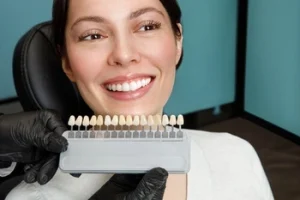
Veneers are thin shells that adhere to the front surface of teeth, reshaping alignment and proportion. They can slightly adjust how the upper teeth and bottom teeth meet, making the overlap appear less prominent.
This subtle overbite correction is most effective for mild overbite or minor misalignments, where the upper teeth protrude but do not cause severe jaw strain.
What Your Dentist Looks For Before Recommending Veneers
During the initial consultation, your cosmetic dentist examines how your upper and lower teeth come together when you bite. They assess enamel quality, gum health, and potential signs of teeth grinding or uneven wear. If misaligned teeth are contributing to bite imbalance, veneers may be considered as part of a treatment plan designed around stability and comfort.
Why Jaw Alignment Affects Veneer Durability
The jaw’s movement affects how pressure spreads across the mouth. An uneven, misaligned bite can shorten veneer lifespan, leading to cracks or edge wear. Aligning the veneers with the jaw position reduces strain and minimises the risks of fractures or tooth decay from trapped debris. In certain overbite cases, your dentist may recommend minor bite adjustments before veneer bonding.
When You Might Need Orthodontic Support Alongside Veneers
In severe overbite cases, veneers alone might not create the desired correction. If the teeth significantly overlap or a vertical overbite limits movement, orthodontic treatment like clear aligners or traditional braces may be combined with veneers.
This sequence allows teeth to move into better alignment first, giving veneers a stable base for cosmetic improvement and functional balance.
How Digital Imaging and Bite Analysis Guide Treatment Planning
Modern cosmetic dentistry relies on 3D scans and bite analysis to design predictable results. These digital tools help map jaw movement, tooth placement, and skeletal structure, ensuring veneers support both aesthetics and oral comfort. By combining precise imaging with professional judgment, your treatment options are carefully tailored to your specific overbite type.
The Aesthetic Changes Veneers Can Achieve with an Overbite
When properly planned, veneers don’t just refine shape; they also improve symmetry and harmony between the top teeth and lower teeth. We’ll look at how veneers enhance appearance while supporting lasting dental health.
How Veneers Improve Tooth Length and Smile Proportion
When the upper teeth appear short due to an overbite, veneers help balance proportions. By modifying length and contour, veneers can subtly fix an overbite’s visual impact and create a uniform smile. In many cases, the cosmetic refinement can be completed in just a few weeks, offering a faster approach than braces for those seeking immediate enhancement.
When Veneers Can Conceal Mild Crowding or Unevenness
Those with crooked teeth or slightly misaligned teeth may benefit from veneers that mask uneven edges. This cosmetic adjustment improves balance without altering jaw position. For mild overbite cases, veneers correct cosmetic issues by smoothing irregular surfaces and giving the teeth a straighter, more polished line.
Achieving a Natural Transition Between Veneers and Adjacent Teeth
Porcelain veneers and other cosmetic dentistry procedures are individually customised to match your natural enamel. The colour, translucency, and shape of the veneer blend with surrounding teeth for a consistent look.
Skilled dentists use cosmetic enhancement techniques to maintain harmony between the veneer and neighbouring teeth, even where upper teeth overlap the lower.
How to Maintain Veneers Placed on an Adjusted Bite
Veneers require consistent care to stay strong and appealing. Discover the practical habits and follow-up steps that keep them looking good while promoting overall oral health.
 Daily Care Routines That Protect Your Dental Veneers
 Daily Care Routines That Protect Your Dental Veneers
Caring for veneers begins with regular brushing, flossing, and professional cleaning. Keeping the gums healthy prevents decay at the veneer’s edge and supports surrounding teeth.
If a chipped tooth or edge wear develops, it’s essential to repair it quickly to prevent damage to the veneer bond. Avoiding habits like clenching and maintaining proper care preserves both veneer strength and gum balance.
Why Regular Dental Visits Are Important After Bite Correction
Routine appointments allow your dentist to monitor bite stability and veneer positioning. These visits may include polishing or checking for wear caused by teeth grinding. Early correction of pressure spots prevents cracks and supports overall oral health.
In some cases, a protective night guard may be recommended to reduce contact between the upper and lower teeth during rest.
Habits to Avoid for Long-Lasting Veneer Health
Avoid biting hard objects or using teeth to open packaging. Continuous stress can lead to veneer fractures, especially if the upper teeth protrude slightly.
Smoking and poor cleaning habits can also dull the veneer surface over time. Maintaining consistent dental care habits safeguards both your veneers and your dental health, while preventing complications that may lead to tooth extraction in the future.
Speak with Us About Safer Veneer Options for Overbites
 When planned carefully, veneers can be a predictable and aesthetic way to improve both your bite and appearance. While they can’t replace braces or treat missing teeth, they often refine proportions in suitable overbite cases.
If you’re considering treatment to improve how your upper teeth overlap the bottom teeth, our cosmetic dentist can help assess your treatment options. Veneers are designed with precision to blend seamlessly with your natural teeth, ensuring a balanced and harmonious result. Each case is tailored to your individual bite pattern and facial structure, allowing for results that feel both comfortable and natural.
Through careful assessment and planning, veneers can help you achieve a refined smile that supports long-term comfort. Contact us today to schedule a consultation and discuss the right approach to aligning your cosmetic goals with healthy function.
Illawong: (02) 9158 6756
Sylvania Waters: (02) 9159 6083
Pyrmont: (02) 9158 6213
References
https://pmc.ncbi.nlm.nih.gov/articles/PMC6311473/
https://www.colgate.com/en-us/oral-health/veneers/dental-veneers-pros-and-cons


