

Can you whiten composite veneers? This question often comes up once colour differences start to feel noticeable. You may see a change after whitening your natural teeth, or realise your veneers no longer blend the way they once did. Composite veneers behave differently from enamel, and understanding those limits helps you avoid chasing changes that materials cannot deliver. When you know what whitening can and cannot do, decisions feel clearer and more grounded.
Why Composite Veneers Do Not Respond Like Natural Teeth
The way veneers react to whitening depends on their structure, not the strength of the product used.
How Natural Tooth Enamel Reacts To Whitening Products
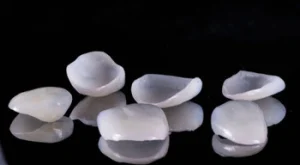 Natural tooth enamel is porous enough to allow whitening agents to move through its surface and lighten the colour from within. This is why teeth whitening can gradually brighten enamel when used as directed. The change happens internally, not just on the surface, which is why results tend to look even across untreated teeth. This response is unique to enamel and does not extend to restorations.
If you whiten both your natural teeth and any restorations beside them, they can start to stand out more than you expected.
What Makes Composite Resin Behave Differently
Composite veneers are made from a resin material designed for shape, shade, and adhesion, not colour change. Once placed, the composite resin holds its original tone. Whitening products sit on the surface without altering the internal colour. This is why attempts to whiten veneers often lead to unmet expectations, even when the same products work well on enamel. Composite can be added or repaired in small areas, which is useful if you have a chipped tooth along an edge.
Why Whitening Agents Stop At The Veneer Surface
Whitening agents are formulated to interact with tooth structure, not restorative materials. When they reach the veneer surface, they have nowhere to go. The veneer material remains unchanged, regardless of how often or how long products are used. This limitation applies across most cosmetic veneers, including composite resin veneers. Because the composite is bonded in place with dental adhesive, whitening changes around it will not alter its original shade.
How Composite Veneers Typically Age In Colour
Composite veneers typically show gradual changes over time due to external exposure. Colour shift does not happen overnight, and it rarely reflects a problem with placement. Daily contact with foods and drinks slowly affects the outer layer. Unlike enamel, this change is not reversible through bleaching.
What Can Change The Appearance Of Composite Veneers Over Time
Once veneers are in place, colour changes are influenced more by exposure and habits than by whitening.
Surface Stains From Foods And Drinks
Surface stains develop as pigments settle onto the veneer surface. Coffee, tea, sauces, and similar items can leave residue over time. These stains sit externally and do not alter the internal shade of the veneer. Because they build gradually, the change often feels subtle at first.
How Red Wine And Similar Pigments Attach To Resin Material
Red wine is a common source of visible staining because its pigments bind easily to composite material. Resin veneers are more susceptible than enamel to this type of attachment. Over time, repeated exposure can make stained veneers appear duller or uneven compared with surrounding teeth.
Differences Seen Between Direct And Indirect Composite Veneers
Direct composite veneers are shaped chairside, while indirect composite veneers are fabricated outside the mouth and bonded later. Indirect options tend to have a denser finish, which may slow staining slightly. Direct restorations can show colour changes sooner, depending on polishing and surface texture. With direct work, the prepared teeth shape and finish can influence how smoothly the final surface polishes.
Why Veneers And Natural Teeth Age At Different Speeds
Natural teeth continue to respond to environmental changes, while veneers remain fixed in shade. When you whiten teeth, the enamel lightens while the veneers do not. This contrast becomes more obvious over time, especially across veneers and natural teeth placed side by side. This gap is most obvious when natural teeth and veneers sit side by side across the same smile line.
When Existing Veneers Start To Look Uneven
Uneven colouring often appears after whitening natural teeth or changes in routine. Existing veneers may suddenly stand out, even if they looked balanced before. This does not mean the veneers have failed. It reflects how differently materials respond to professional teeth whitening treatments and daily exposure. You can also notice it with temporary veneers, because they often pick up colour faster than long-term restorations.
Practical Ways Dentists Manage Colour With Composite Veneers
When whitening reaches its limits, planning and care become the focus.
 Removing Surface Build-Up Without Altering Veneer Material
 Removing Surface Build-Up Without Altering Veneer Material
Some discolouration can be reduced by removing surface stains. Professional cleanings help lift external build-up without damaging the veneer surface. This approach does not whiten veneers, but it can refresh their appearance when staining is superficial. A chairside polish can sometimes help whiten stained veneers when the change is mainly on the outer layer.
Where Professional Cleanings Make The Most Difference
Regular professional cleanings play a key role in maintaining colour balance. They help manage plaque and surface residue that brushing alone may miss. Over time, this supports dental health and keeps veneers looking consistent with nearby enamel.
Why Traditional Whitening Methods Affect Only Natural Teeth
Traditional whitening methods and bleaching agents are designed to interact with natural enamel. They do not penetrate veneers, whether porcelain or composite veneers are used. This is why whitening natural teeth can sometimes create contrast rather than uniformity.
When Veneers Are Replaced To Match New Tooth Colour
In cases where shade differences become difficult to ignore, veneers replaced to match a new enamel shade may be discussed. This is more common after significant whitening or when older restorations no longer suit current goals. Replacement is a planning decision, not a failure of previous work.
If you are planning new veneers, it helps to decide on any whitening first, so the final shade choice stays consistent.
How Good Oral Hygiene Slows Future Discolouration
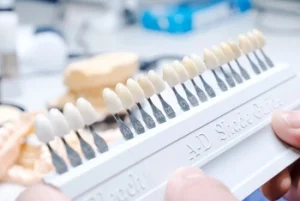 Practise good oral hygiene with daily habits that limit staining. Using a non-abrasive toothpaste, brushing with a soft-bristled toothbrush, and caring for your teeth regularly helps protect restorations. These steps support oral hygiene without wearing down the composite material.
Maintain good oral hygiene by keeping pigment build-up low along the margins where staining can start. After darker meals, brush your teeth once it feels appropriate, so residue does not sit on the surface for long.
When To Speak With A Dental Professional About Next Steps
A dental professional can assess whether changes relate to surface staining, material ageing, or contrast with natural enamel. This discussion helps clarify whether cleaning, monitoring, or replacement is appropriate. Clear guidance supports decisions without unnecessary intervention.
Keeping Expectations Clear Over Time
Composite veneers are designed for shape and coverage, not colour change. Whitening works on enamel, while dental veneers hold their original shade. With proper care, realistic expectations, and guidance from dental care professionals, long-term appearance becomes easier to manage without chasing changes that materials cannot deliver. To discuss your options or review your veneers, contact our dental clinic on:
Illawong: (02) 9158 6756
Sylvania Waters: (02) 9159 6083
Pyrmont: (02) 9158 6213
References
https://www.webmd.com/oral-health/teeth-whitening-and-bleaching
https://www.healthline.com/health/composite-veneers


