

Finding out that a root canal tooth broke off at gum line can come as a surprise, even when the tooth had felt reliable for a long time. A break this low often reflects gradual internal changes rather than a sudden failure. What you notice first may be a change in bite, a rough edge, or concern about what remains below the surface. Understanding what this kind of break signals helps you move forward with clarity, not urgency.
What It Means When a Treated Tooth Breaks at the Gum Line
A break at this level usually affects how much support remains above the gums, which plays a major role in what can be done next.
Loss Of Visible Tooth Support
When a root canal tooth fractures at the gum line, there is often very little structure left to grip or protect. You may notice that the broken root canal tooth feels flat or jagged when you run your tongue over it. Even if the broken tooth does not hurt straight away, the lack of height makes it vulnerable during everyday use.
 Why Breaks Often Occur Below Sight
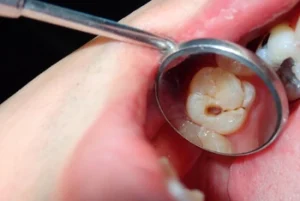 Why Breaks Often Occur Below Sight
Damage to a canal tooth often develops beneath the surface before it becomes visible. Small cracks inside the tooth fracture line can spread quietly until the outer portion gives way. When this happens, the break may appear sudden, even though stress has been building for some time. This pattern is sometimes associated with cracked tooth syndrome, where internal damage progresses without obvious surface warning.
How Prior Treatment Changes Tooth Strength
A root canal removes infected tissue from inside the tooth, but it also alters the internal support system. Once treated, the tooth structure relies more on remaining walls to absorb force. Over time, this change can reduce the tooth’s strength, especially if no additional protection is placed.
Why Appearance Can Be Misleading
A treated tooth can look intact right up until it fails. The natural tooth surface may appear unchanged, even as internal cracks deepen. Tooth appearance alone does not always reflect what is happening inside, which is why unexpected fractures can occur.
Common Reasons a Root Canal Tooth Can Fracture
Fractures rarely come from one cause. They usually develop from a combination of stress, wear, and existing weakness.
Weakened Internal Tooth Structure
After a root canal procedure, the tooth no longer has living tissue to help absorb pressure. This change leaves the remaining structure more prone to cracking. Over time, repeated stress can cause a fractured cusp or a full break.
Heavy Biting Forces Over Time
Chewing places repeated force on a treated tooth. If that force concentrates in one area, the tooth may not cope long-term. Excessive pressure applied repeatedly can overwhelm the remaining tooth structure, even during normal eating. This pattern explains why a root canal tooth breaks months or even years after treatment.
Teeth Grinding During Sleep
Teeth grinding places sustained pressure on teeth without rest. When grinding occurs night after night, cracks can deepen and spread. A cracked tooth that has already undergone root canal treatment is especially vulnerable.
Chewing Hard Foods Without Protection
Hard foods demand more from a treated tooth than many realise. Items such as popcorn kernels or other rigid foods can trigger a fracture if the tooth already carries internal stress. One unexpected bite can be enough to cause a break.
Existing Cracks Expanding Gradually
Tooth cracks do not always stay small. Over time, repeated use allows them to extend further into the tooth. When a crack extends deep enough, the tooth may split suddenly during normal chewing.
Delayed Crown Placement After Treatment
A dental crown often provides structural support after a root canal. When crown placement is delayed or never completed, the treated tooth remains exposed to daily forces. Without coverage, the risk of fracture increases. In some cases, untreated tooth decay around the margins can further weaken the tooth and accelerate failure.
Warning Signs That Suggest a Deeper Tooth Fracture
Some signs appear early, while others only show up once the damage becomes more advanced.
Sharp Pain When Biting Down
A sharp pain during biting often points to a fracture line that opens under pressure. You may notice this sensation comes and goes, depending on how you chew. This type of pain suggests movement within the affected tooth.
Discomfort Triggered By Release Pressure
Pain that appears when you release your bite can signal a split tooth. The shifting of the fractured sections causes irritation inside the tooth. This response often differs from general sensitivity.
Swelling Or Tenderness Near The Gum
Tenderness around the gum line may indicate stress spreading below the surface. When swelling appears near a treated tooth, it can suggest deeper involvement beyond the visible break.
What Happens If a Broken Root Canal Tooth Is Left Alone
Ignoring a fracture can allow damage to progress in ways that limit future options.
Bacteria Reaching The Tooth Root
Once a tooth breaks at the gum line, bacteria can access areas that were previously sealed. This exposure can affect the tooth root and surrounding tissues. Over time, infection risk increases. This process may signal a failed root canal, potentially leading to reinfection within the tooth.
 Fracture Lines Spreading Into Bone
 Fracture Lines Spreading Into Bone
Some fractures extend beyond the tooth itself. Vertical root fractures can spread into surrounding bone, making repair difficult. This progression often remains unnoticed until symptoms worsen.
Pressure Transferring To Adjacent Teeth
A fractured tooth may no longer absorb force evenly. As pressure shifts, adjacent teeth may take on extra load. This change can create new stress points elsewhere in the mouth.
Increased Risk Of Tooth Loss
When damage continues unchecked, tooth loss becomes more likely. A missing tooth affects chewing balance and can lead to changes in the surrounding bone. Early attention reduces this risk.
Pain Escalating Without Warning
A tooth left untreated can remain quiet for a time, then flare suddenly. Severe pain may appear with little notice. Ongoing damage can give rise to further complications that narrow future care pathways. At that stage, options are often more limited.
How Dentists Decide the Most Appropriate Next Step
Assessment focuses on understanding the full extent of damage before recommending care.
Careful Visual And Structural Inspection
A dental professional begins by examining the treated tooth closely. Visual cues help identify fracture patterns and remaining structure. This step guides further evaluation.
Imaging To Assess Root And Bone
Imaging helps reveal damage below the gum line. It allows the dentist to see how far cracks extend and whether the surrounding bone is affected. These details influence treatment direction.
Determining Whether The Crack Extends
Not all fractures behave the same way. Some remain confined to the crown, while others extend into the root. Identifying this difference shapes what options remain viable.
Situations Where Reinforcement Is Possible
In certain cases, dental bonding or a permanent crown may help reinforce what remains of the tooth. These options depend on how much structure is still present. Stability is the deciding factor. Selecting the appropriate treatment depends on how well the remaining tooth can tolerate ongoing use.
When Removal Becomes The Safer Choice
If the fracture reaches the root or compromises support, tooth extraction may be recommended. Removing the tooth helps prevent further damage to the surrounding bone and adjacent teeth.
Planning Replacement After Extraction
After removal, replacement planning focuses on function and oral health. A missing tooth affects balance and long-term stability. Discussing replacement options early helps guide recovery. In some situations, root canal retreatment may be discussed before removal if conditions allow.
Protecting Oral Health Long Term
Routine dental check-ups support early detection of stress in treated teeth. Good oral hygiene and ongoing dental care help protect remaining teeth. Attention to changes reduces the chance of repeat problems. Clear discussion around available treatment options helps align care with long-term goals.
Moving Forward After a Gum Line Fracture
A root canal tooth breaking at the gum line reflects gradual structural change rather than sudden failure. Early assessment, appropriate care, and ongoing review help protect comfort, function, and surrounding teeth. With informed guidance and timely decisions, long-term stability remains achievable without unnecessary escalation. If you would like to discuss your situation or arrange a review, please contact our dental clinic serving the Pyrmont community or call us at:
Illawong: (02) 9158 6756
Sylvania Waters: (02) 9159 6083
Pyrmont: (02) 9158 6213
Note: Any surgical or invasive procedure carries risks. Before proceeding, you should seek a second opinion from an appropriately qualified health practitioner.
References
https://www.mayoclinic.org/diseases-conditions/tooth-abscess/in-depth/root-canal/art-20585454
https://www.colgate.com/en-us/oral-health/root-canals/the-truth-about-root-canal-dangers


Are you wondering how much wisdom teeth removal might cost? Many people need this procedure but aren’t sure what to Read more

Have you ever wondered about the types of dental crowns and the cost involved? Choosing the right crown can make Read more