

Porcelain veneers and the question of tooth preparation come up together for a reason. For many people researching this option, the idea of having their natural teeth shaved down is the single biggest hesitation.
It is a fair concern. Enamel does not grow back once it is removed. Understanding what tooth preparation actually involves, and when it can be reduced or avoided, is central to exploring cosmetic dental treatments as an option for your teeth.
Quick Overview
- Dental veneers are thin shells bonded to the front surface of teeth to change their colour, shape, or size. The amount of enamel removed beforehand depends on the type of veneer used.
- No-prep and minimal-prep veneers may suit patients with smaller teeth, mild spacing, or teeth that sit slightly inward, though suitability depends on individual tooth structure and oral health.
- Some veneer options involve little to no enamel removal, which can make treatment more conservative compared to traditional porcelain veneers.
- Tooth size, bite, gum health, existing enamel depth, and the degree of cosmetic change required all influence which preparation approach is appropriate.
- A clinical assessment is needed to determine which veneer type is suitable for your teeth and goals.
Keep reading to understand how each type of veneer differs, what the research says about enamel bonding, and what questions to raise at a consultation.
Do All Veneers Require Your Teeth to Be Shaved?
No, not all veneers require significant shaving of the natural tooth. Whether any preparation is needed depends on the veneer type, the material used, your tooth size, and how much cosmetic change you want to achieve.
Traditional porcelain veneers typically involve removing a thin layer of enamel from the front surface of each tooth, so the final result sits flush with the surrounding teeth rather than appearing bulky. That removal is considered permanent, which is why dentists treat tooth preparation as a significant decision rather than a minor step.
No-prep veneers and minimal-prep veneers were developed as more conservative alternatives. No-prep options involve little to no enamel removal. Minimal-prep veneers involve light polishing or a very small amount of surface reshaping, but aim to keep preparation within the enamel layer where possible. Both types use ultra-thin ceramic or porcelain materials, often less than half a millimetre thick, to compensate for the reduced preparation.
The key point: the absence of preparation does not automatically mean a better outcome. Whether a no-prep approach is appropriate for your teeth is a clinical decision based on your individual tooth anatomy, bite, and aesthetic goals.
What Does the Research Say About Veneers and Enamel?
The relationship between enamel, preparation, and veneer longevity is well established. The consistent finding is that bonding to enamel produces more reliable results than bonding to dentine.
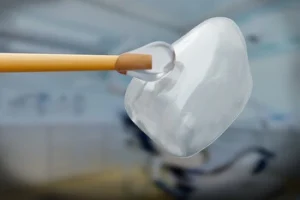 When preparation cuts through enamel into dentine, the bond becomes less stable and long-term performance may be affected. This is because enamel features higher mineralisation and lower moisture content, making it the more predictable bonding surface. Dentine, by contrast, is more variable as a bonding substrate.
This is why the amount of preparation matters in both directions. Removing too much enamel can compromise bonding strength. But adding veneer thickness without any preparation can create a restoration that sits proud of the tooth surface, potentially affecting bite alignment and gum tissue.
Veneers are bonded to the tooth surface and cannot be removed once placed. This is why understanding preparation requirements at the consultation stage matters, and why the right amount of enamel removal (whether none, minimal, or standard) depends on your individual teeth and goals.
What Affects Whether You Need Tooth Preparation?
Several factors determine how much, if any, tooth preparation is needed before veneers are placed.
Tooth size and position. Teeth that are naturally smaller or that sit slightly inward in the arch may have enough room to accommodate an ultra-thin no-prep veneer without the result looking bulky or protruding beyond the gum line. Teeth that are already at the full width of the smile may not have this space.
Your bite. Patients who have a deep overbite, who clench or grind their teeth, or who have significant bite interferences may not be suitable candidates for no-prep veneers. Adding thickness to the front surface without preparation can create contact points that put the restoration under stress.
Existing enamel depth. If significant enamel has already been lost through wear, acid erosion, or previous dental work, the available bonding surface may be reduced regardless of the preparation approach chosen.
The degree of cosmetic change needed. Minor colour changes or subtle shape refinements may be achievable with a no-prep or minimal-prep approach. Significant shade changes, corrections to tooth shape, or addressing more pronounced unevenness typically require more preparation to achieve a result that sits and looks natural.
Gum health and oral hygiene. Active gum disease or untreated decay means veneers of any type are not appropriate until those issues are resolved. Placing veneers over unhealthy teeth can worsen existing dental problems.
How to Care for Veneers Once They Are Placed
Veneers of any type require consistent oral hygiene to perform well over time. The teeth underneath remain living structures that can still develop decay, particularly at the gum margin where the veneer meets the natural tooth.
 The Australian Dental Association’s oral hygiene policy identifies daily tooth cleaning and regular professional check-ups as the foundation of long-term oral health. For veneer patients, this is particularly relevant because early detection of marginal issues, gum changes, or surface wear allows for prompt management before more significant intervention is needed.
Practical steps that support veneer longevity include brushing twice daily with a non-abrasive toothpaste, flossing around the veneer margins each day, and keeping up a consistent at-home routine. It is also worth avoiding biting hard objects such as ice, pens, or fingernails, wearing a night guard if you clench or grind, and attending scheduled dental reviews.
Porcelain veneers can last many years with appropriate care, though individual outcomes vary depending on bite forces, oral hygiene habits, and the condition of the underlying teeth. Composite veneers typically have a shorter lifespan and may require maintenance or replacement sooner.
A Considered Approach to Veneers Without Shaving
The short answer is: yes, veneers without significant tooth shaving are possible for some patients. No-prep and minimal-prep options are clinically established approaches, and for the right candidate, they offer a more conservative path. The longer answer is that candidacy depends entirely on individual factors that can only be assessed in person.
At Sydney Laser Dental Care, our dentists take a measured approach to porcelain veneers and cosmetic options, discussing preparation requirements, material options, and realistic outcomes at consultation before any treatment is recommended. As with any dental procedure, individual outcomes vary, and a thorough clinical assessment is the first step.
If you would like to explore whether veneers may be suitable for your teeth, we welcome you to contact one of our three clinics.
- Illawong: (02) 9158 6756
- Sylvania Waters: (02) 9159 6083
- Pyrmont: (02) 9158 6213
Frequently Asked Questions
Can you get veneers without shaving your teeth at all?
In some cases, yes. No-prep veneers are designed to be placed with little to no enamel removal. Whether this approach is suitable depends on your individual tooth size, position, bite, and the extent of the cosmetic change you are seeking. A clinical assessment is needed to determine candidacy.
What is the difference between no-prep veneers and traditional veneers?
Traditional veneers typically involve removing around 0.5 to 0.7 millimetres of enamel from the front surface of each tooth so the veneer sits flush and naturally. No-prep veneers use ultra-thin materials and require little or no enamel removal. Minimal-prep veneers sit between the two, involving light surface reshaping that aims to stay within the enamel layer.
Are no-prep veneers reversible?
No-prep and minimal-prep veneers are generally considered more reversible than traditional veneers because less tooth structure is altered. That said, veneers of any type are bonded to the tooth, and removal still requires care. Your dentist can explain what reversibility realistically means for your specific situation before treatment proceeds.
Note: Any surgical or invasive procedure carries risks. Before proceeding, you should seek a second opinion from an appropriately qualified health practitioner.
References
Healthdirect Australia. (2025). ‘Veneers’. Healthdirect, February. Canberra, ACT: Australian Government Department of Health. https://www.healthdirect.gov.au/veneers
Australian Dental Association. (2025). ‘Policy Statement 2.2.3 – Oral Hygiene’. Australian Dental Association, October. St Leonards, NSW: Australian Dental Association. https://ada.org.au/policy-statement-2-2-3-oral-hygiene
Australian Dental Association. (n.d.). ‘6 Steps to a Healthy Smile’. Teeth.org.au. St Leonards, NSW: Australian Dental Association. https://www.teeth.org.au/six-tips-for-caring-for-your-oral-health


