

It is one of the most common questions people have before getting veneers. The idea that decay could be quietly developing behind a thin shell of porcelain, invisible and untreated, is a reasonable concern. Dental veneers cover the front surface of a tooth, not the whole tooth, so the question of what happens underneath is worth understanding clearly.
The short answer is that your teeth do not automatically rot under veneers. But the teeth beneath them remain living structures, still vulnerable to the same conditions that cause decay in any tooth. Understanding what drives that risk, and what controls it, is central to making an informed decision about cosmetic dental treatment.
Quick Overview
- Dental veneers cover only the front surface of a tooth, leaving the rest exposed to normal oral conditions.
- Decay can develop beneath or around veneers, though this is not inevitable and depends on several factors.
- Poor oral hygiene, improperly sealed veneers, and pre-existing dental issues may all increase the risk.
- The warning signs can be subtle, since veneers may mask early visual indicators of decay.
- Regular dental check-ups play a key role in detecting and managing issues before they progress.
Keep reading to understand how decay occurs under veneers, what signs to watch for, and how to keep the teeth beneath them in good condition.
What Causes Decay to Form Under Veneers?
Tooth decay is caused by bacteria in plaque producing acid that breaks down tooth enamel. Plaque builds up on tooth surfaces when teeth are not cleaned thoroughly and regularly. This process is the same whether or not a tooth has a veneer on it.
Several specific factors can make decay under veneers more likely.
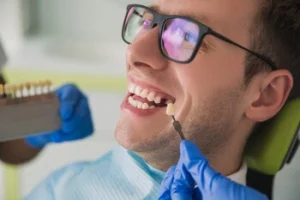 Poor oral hygiene. Brushing and flossing less carefully after getting veneers is one of the most common contributors to decay. The veneer itself does not change the underlying biology. Plaque still forms, bacteria still produce acid, and enamel still erodes without regular removal.
Improperly fitted veneers. If a veneer does not sit flush against the tooth surface, gaps at the margins create points of entry for bacteria. This underlines the importance of precise placement and well-matched edges that do not trap debris.
Pre-existing decay. Veneers should never be placed over a tooth that already has active decay. Doing so traps bacteria beneath the restoration and allows decay to continue developing. Any existing dental issues need to be resolved before veneers are placed.
Diet. Frequent consumption of sugary or acidic foods and drinks fuels the bacteria that cause decay. This applies to all teeth, with or without veneers.
Signs That Decay May Be Developing Under Veneers
Decay under veneers can be harder to detect visually than in unrestored teeth, since the veneer may conceal early surface changes. This is one reason regular dental check-ups are particularly important for people with veneers.
Warning signs to be aware of include:
Sensitivity to hot, cold, or sweet foods. This is often one of the first indicators that something is changing beneath the veneer. Sensitivity that develops after the initial post-placement period, or that worsens progressively, warrants a dental review.
Dark lines or discolouration at the margins. Darkening near the gum line or at the edges of the veneer can indicate decay developing at the margin where the veneer meets the tooth.
Swollen, red, or bleeding gums. Gum tissue reacts to plaque accumulation. Persistent gum inflammation around veneered teeth is a sign that bacteria are building up at or below the gum line and should be assessed promptly.
A loose or shifting veneer. If decay weakens the underlying tooth structure, the bond between the veneer and tooth can deteriorate, causing the veneer to loosen or detach.
If any of these signs appear, contact your dentist rather than waiting for a scheduled review.
How to Keep Your Teeth Healthy Under Veneers
The approach to maintaining teeth beneath veneers is not significantly different from maintaining natural teeth. The key habits are consistent and specific.
Brush twice daily using a soft-bristled toothbrush and non-abrasive fluoride toothpaste. Abrasive toothpastes can scratch veneer surfaces and make them more prone to plaque accumulation. Fluoride toothpaste supports enamel strength in the exposed areas of the tooth. Tooth decay develops when acid from bacteria outweighs the protective effects of saliva and fluoride, which is why both toothpaste choice and brushing consistency matter for veneered teeth.
Floss daily, paying attention to veneer margins. The edges where veneers meet the natural tooth and gum line are the highest-risk areas for plaque accumulation. Flossing carefully around these margins removes debris that brushing alone cannot reach.
Limit acidic and sugary foods and drinks. Frequent exposure to acid softens enamel and fuels the bacterial cycle that leads to decay. Red wine, citrus, soft drinks, and sugary snacks are worth limiting, or at least rinsing with water afterwards.
Attend regular dental check-ups. Clinical examination and X-rays allow your dentist to detect issues beneath or around veneers that may not be visible or symptomatic in the early stages. Early detection means simpler treatment and better outcomes.
Wear a night guard if you grind your teeth. Bruxism can chip or fracture veneer margins over time, creating gaps that increase the risk of decay and gum irritation.
A Considered Approach to Veneers and Oral Health
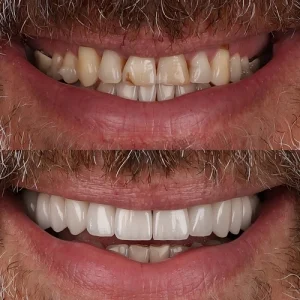 Do your teeth rot under veneers? Not inevitably, and not if the teeth were healthy at placement and are cared for properly afterwards. The teeth beneath veneers remain susceptible to decay and gum disease, but consistent hygiene and regular dental monitoring manage that risk effectively. Individual outcomes depend on oral hygiene habits, diet, the quality of veneer placement, and the baseline health of the teeth.
At Sydney Laser Dental Care, our dentists assess existing dental health thoroughly before any cosmetic treatment is recommended, and take care to ensure veneers are placed on teeth that are sound and properly prepared.
If you have questions about veneers or would like to discuss whether they may be suitable for your teeth, we welcome you to contact one of our three clinics.
- Illawong: (02) 9158 6756
- Sylvania Waters: (02) 9159 6083
- Pyrmont: (02) 9158 6213
Frequently Asked Questions
Can you get cavities under a veneer?
Yes. Veneers cover only the front surface of a tooth. The back, sides, and gum margins remain exposed to the conditions that cause cavities. Plaque accumulation at the edges of the veneer is the most common entry point for decay.
How do I know if my tooth is decaying under a veneer?
Early decay under a veneer may not cause obvious symptoms. Signs to watch for include increased sensitivity to hot, cold, or sweet foods, darkening at the veneer margins, swollen or bleeding gums around a veneered tooth, or a veneer that feels loose.
Note: Any surgical or invasive procedure carries risks. Before proceeding, you should seek a second opinion from an appropriately qualified health practitioner.
References
Healthdirect Australia. (2025). ‘Tooth Decay’. Healthdirect, February. Canberra, ACT: Australian Government Department of Health. https://www.healthdirect.gov.au/tooth-decay
Better Health Channel. (2025). ‘Gum Disease’. Better Health Channel, 1 August. Melbourne, VIC: Department of Health, State Government of Victoria. https://www.betterhealth.vic.gov.au/health/conditionsandtreatments/gum-disease
Australian Dental Association. (n.d.). ‘Tooth Decay’. Teeth.org.au. St Leonards, NSW: Australian Dental Association. https://teeth.org.au/tooth-decay


