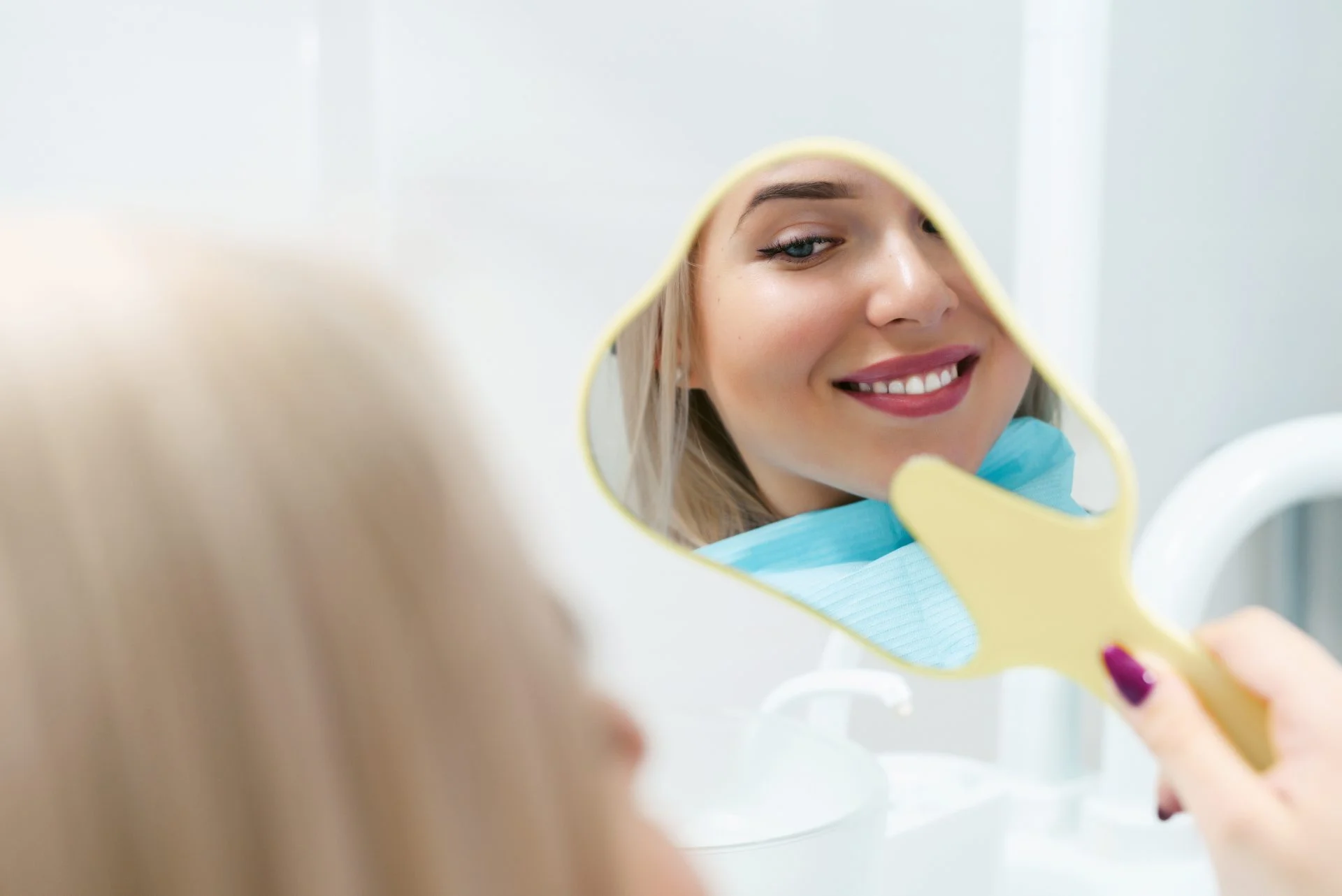

Veneer breath can show up as a stale taste that lingers after brushing, or a faint odour you notice when you floss between your front teeth. You might notice it first thing in the morning, or it might creep back by mid-afternoon. It can feel unsettling when your smile looks clean in the mirror.
If this sounds familiar, you’re not imagining it, and it’s something your dentist can look into. In this article, we explore what may be behind it, how to care for your porcelain or composite veneers, and which signs are worth having checked.
Quick Overview
- Veneer breath describes an unpleasant breath smell or taste that seems linked to teeth with veneers.
- It may affect anyone with porcelain and composite veneers, and it often relates to what collects around the veneer rather than the veneer itself.
- Keeping the gum line and veneer edges clean can help support fresher breath and healthier gums.
- How well a veneer fits, the health of your gums, and your daily routine can all influence whether odour develops.
- A persistent odour, a bad taste or bleeding gums are usually what guide the next step, which is an assessment.
Below, we explain why veneer breath happens, what you can do at home, and when a check-up may help.
What Is Veneer Breath?
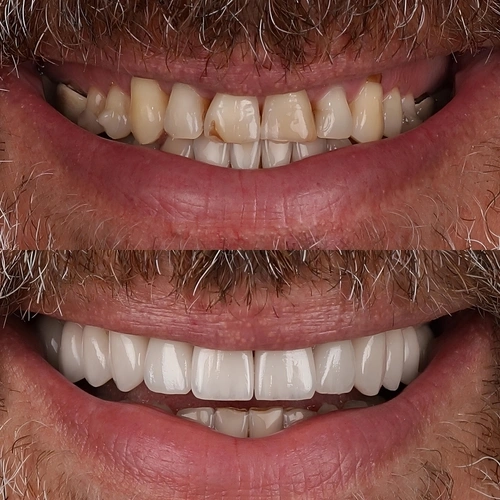
Veneer breath is an informal term for bad breath that seems to come from teeth with veneers. Bad breath is caused by bacteria in the mouth, so the veneer breath smell is likely to come from odour-causing bacteria that settle where the veneer meets the natural tooth and the gums.
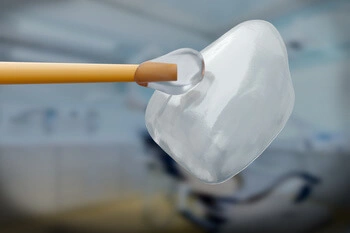
Dental veneers are thin shells bonded to the front tooth surface. Where each shell ends after veneer placement, there is a junction called the margin. On a well-fitted veneer, this junction sits closely against the natural tooth structure.
Food particles and plaque can linger at this junction if it isn’t cleaned well. As bacteria break down food left in the mouth, they create an unpleasant smell. When veneers smell, it’s what collects around them, rather than the shell itself, that tends to produce the odour.
Can Veneers Cause Bad Breath?
Veneers don’t produce bad breath by themselves, as bacteria are what cause the smell. Pooled research suggests veneers are generally compatible with healthy gums, although a poor fit at the edge can create crevices where bacteria accumulate. Odour is more likely when plaque builds up at poorly adapted veneer margins, where bacteria trapped at the edge can irritate the gums.
The same research notes that gum health is an important factor when planning veneers, and that leftover bonding cement or bulky edges can make the gum line harder to keep clean. Factors that matter for breath include:
- Fit at the edge: Properly fitted veneers sit closely against the tooth, while poorly fitted veneers may leave a tiny step or gap that can trap bacteria. Research notes that wider gaps can speed cement breakdown, which may let the margin open further over time.
- Veneer material: Veneers are usually made from porcelain or composite resin. Porcelain veneers have a glazed surface, and glazed porcelain is generally regarded as one of the non-porous materials used in dentistry.
- Older veneers: Over time, the bonding cement at the margin can break down in the mouth, and gums can recede with age, which may change how the edge sits.
- Your gums and routine: How healthy your gums are and how thoroughly you clean the gum line both play a part, whatever the veneer is made from.
Other Reasons Your Breath May Change
Not every breath change starts at the veneer, so your dentist will usually look at your whole mouth.
Gum disease: This develops from plaque collecting along the gum line, which allows bacteria to grow and can lead to bad breath.
Dry mouth: Saliva helps wash bacteria away. When your mouth is dry, bacteria accumulate more easily, which is one reason breath is often stronger after sleep.
Tooth decay: Decay in any tooth can contribute to a persistent foul odour, whether or not that tooth has a veneer.
Tongue coating: A white coating on the tongue can come with bad breath. Leaving the tongue uncleaned is a form of poor oral hygiene that lets bacteria linger, and gently cleaning it can help remove them.
Less often, the source lies outside the mouth, such as a sinus infection or reflux.
How to Keep Your Breath Fresh With Veneers

A smile designed by a cosmetic dentist still relies on daily cleaning at home to stay healthy. Whether you have new veneers or older ones, regular brushing along the gum line helps stop bacteria from building up and supports fresh breath.
Habits that can help keep your breath fresh:
- Brush gently, twice a day: Use a soft brush and fluoride toothpaste, and angle the bristles towards the gum line so the margins are cleaned as well as the front of each tooth.
- Clean between your teeth daily: Dental floss or interdental brushes reach where a toothbrush can’t, and skipping between-teeth cleaning inflames gums over time.
- Check your toothpaste: Ask our team whether a non-abrasive toothpaste suits your veneers, particularly if you use whitening products.
- Drink water throughout the day: This can help if your mouth tends to feel dry.
Professional dental cleanings every six to 12 months, or as your dentist recommends, remove hardened deposits that brushing can’t shift. A professional cleaning also gives your dentist a chance to check your veneers, supporting healthy gums and your overall oral health alongside good oral hygiene at home.
When Veneer Breath Needs a Closer Look
If your breath smell continues despite a steady routine, it’s worth having your veneers and gums checked. An ongoing odour, especially alongside bleeding or tender gums, can be a sign that plaque or gum inflammation needs attention.
Signs worth raising with our team include:
- persistent bad breath that returns soon after brushing
- gums that bleed, look puffy or feel tender around veneered teeth
- a dark line or gap at the edge of a veneer that you hadn’t noticed before
- a veneer that feels rough, catches floss or seems to move
How Your Dentist Assesses Veneer Breath
Finding the source of veneer breath starts with a careful look at your teeth, gums, tongue and veneers. Your dentist can then explain whether the odour seems linked to a margin, your gums or something elsewhere, and which options may suit you.
During an assessment, your dentist may:
- examine your tongue, teeth, gums and throat for common sources of odour
- compare breath from your mouth with breath from your nose, to help tell whether the cause sits in the mouth
- check the gum line around each veneered tooth for bleeding, swelling or plaque buildup
- look at how each veneer edge meets the tooth, including any gaps or rough areas
- talk through your hygiene routine and any medicines that may contribute to dry mouth
There’s no single step that will solve veneer breath for everyone. Depending on what your experienced dentist finds, options may include:
- a professional deep cleaning around the affected teeth to remove plaque and hardened deposits
- gum treatment, if bacterial buildup has led to gum inflammation or gum disease
- smoothing and polishing rough edges at a margin
- veneer replacement, if a margin has opened, decay has developed underneath, or the fit has changed
Individual outcomes vary, and the right approach depends on your individual situation.
Looking After Your Gums and Veneers Together
Changes in breath around veneers are worth paying attention to, as they can point to plaque or gum inflammation at the margin. Picking this up early may make it easier to care for both your gums and your veneers. At Sydney Laser Dental Care, we use digital tools that make explanations easier, so you can see what’s happening around your veneers and gums and understand your options before deciding. If an odour or bad taste keeps returning, please call us:
- Illawong: (02) 9158 6756
- Sylvania Waters: (02) 9159 6083
- Pyrmont: (02) 9158 6213
Frequently Asked Questions
Is it normal to notice a smell soon after getting veneers?
Your gums may feel slightly tender for a few days after treatment, and you might brush the area more lightly as a result. Any plaque left behind during this time may cause a mild odour. If it doesn’t ease as your gums settle, let our team know.
Can mouthwash fix veneer breath?
Some mouthwashes can help reduce the bacteria behind bad breath, but they don’t physically remove plaque from a veneer’s edge the way brushing and cleaning between your teeth do. Relying on mouthwash alone may mask a problem, so ask our team which type, if any, suits your veneers.
Are water flossers safe to use around veneers?
Water flossers can help clean hard-to-reach spaces and around dental work such as crowns, braces and implants. They can sit alongside floss or interdental brushes in your routine. If you’re thinking of using one around veneers, ask our team to show you how.
Can smoking or strong-flavoured foods make veneer breath worse?
Yes, they can add to it. Smoking, vaping, alcohol and strong-flavoured foods such as garlic and onion can all contribute to bad breath, whether or not you have veneers. Drinking plenty of water and keeping up your cleaning routine can help.
How can I tell if one specific veneer is causing the smell?
One way to check is to slide clean floss around the veneer and then smell it. If one area consistently smells stronger than the rest, it may point to plaque trapped at that margin. Mention this when you visit us, as it helps our team know where to look first.
References
Healthdirect Australia. Halitosis (bad breath). https://www.healthdirect.gov.au/conditions/mouth-and-tooth-diseases/halitosis
Al-Dwairi ZN, Al-Sardi M, Goodacre BJ, et al. Evaluation of Marginal and Internal Fit of Ceramic Laminate Veneers Fabricated with Five Intraoral Scanners and Indirect Digitization. Materials. 2023;16(6):2181. https://www.mdpi.com/1996-1944/16/6/2181
Australian Dental Association. Flossing. https://teeth.org.au/flossing
Healthdirect Australia. Dental care and teeth cleaning. https://www.healthdirect.gov.au/healthy-living/hygiene-and-protection/teeth-cleaning
Al-Shorman HM, Abu-Naba’a LA, Sghaireen MG, et al. The Effect of Various Preparation and Cementation Techniques of Dental Veneers on Periodontal Status: A Systematic Review and Meta-Analysis. European Journal of Dentistry. 2024;18(2):458-467. https://thieme-connect.com/products/ejournals/html/10.1055/s-0043-1776120